
Why Testing Your Mobility Matters
 Mobility changes gradually. Most people don’t notice the decline until it starts affecting something they care about. Running slower, struggling with a movement at the gym, or finding it harder to turn and check your blind spot while driving. These small shifts are worth catching early, and a few simple self-checks are a good place to start.
The Four Checks
Neck Rotation
Sit upright with your shoulders relaxed and still. Slowly turn your head to look over your left shoulder, then repeat on the right. How far did you get on each side? Any stiffness, pulling, or unevenness between sides is worth noting.
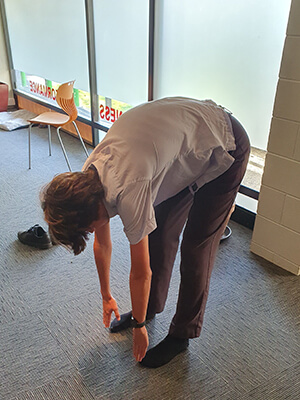
Trunk Side Bend
Stand with your feet hip-width apart. Keeping your body facing forward (no twisting), slide one hand down the outside of your thigh toward your knee. Repeat on the other side. Is the range even? Does either side feel restricted or uncomfortable?
Sit to Stand
Sit in the middle of a firm chair and fold your arms across your chest. Without using your hands or momentum, stand up fully and then sit back down. How much effort did that take? Any wobble, strain, or hesitation is useful information.
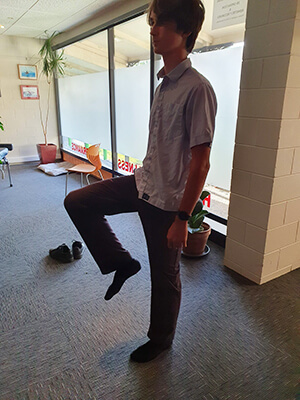
Single Leg Balance
In a clear space, stand with your feet together and place your hands on your hips. Lift one foot and hold your balance without letting your legs touch. Aim for 40 seconds each side. A significant difference between legs is a common finding worth exploring further.
What Your Results Might Be Telling You
Restrictions or asymmetries in these checks may suggest areas of reduced movement or imbalance (which the body quietly compensates for, sometimes for years). They’re not a diagnosis, but they are a useful signal.
How Chiropractic Can Help You Move Better
If any of those checks gave you pause, Dr Paul Needham can help identify what’s driving it and work with you to support improved movement and mobility. Contact Auckland South Chiropractic today to schedule an assessment.